
The Nature of Risk in Casinos
Risk is a fundamental component of the casino experience, shaping how individuals engage with games of chance. The thrill of potentially winning large sums of money stands in stark contrast to the danger of losing one’s investment. This duality creates a complex psychological landscape where players weigh the odds and the potential rewards against the possible losses. Gamblers often exhibit a heightened sense of excitement when taking risks, driven by the allure of jackpots and the satisfaction of beating the house, especially when they consider options like the neosurf casino instant withdrawal feature. This thrill-seeking behavior can lead to an immersive experience, drawing players deeper into the world of gambling.
Moreover, the presence of risk in casino environments encompasses both emotional and social dimensions. The social atmosphere of casinos fosters a communal experience wherein players share their victories and losses with others, enhancing the emotional highs and lows associated with gambling. This collective experience can sometimes encourage risk-taking behavior, as individuals feel emboldened by their peers, leading them to wager more than they typically would alone. The camaraderie and shared excitement can create a feedback loop, reinforcing the desire to engage in riskier bets.
The perception of risk is also influenced by the design and ambiance of the casino itself. Bright lights, vibrant colors, and engaging sounds are strategically implemented to create an exhilarating environment that heightens arousal and promotes impulsive behavior. Such design elements can alter one’s decision-making processes, making the thrill of the game seem more immediate and enticing. As a result, players may underestimate the risks involved, leading to reckless betting patterns that can have significant psychological and financial repercussions. Understanding these design elements is crucial for both players and casino operators, as they play a pivotal role in shaping gambling behavior.
The Role of Cognitive Biases
Cognitive biases significantly impact how individuals perceive and respond to risk in casino settings. One prevalent bias among gamblers is the illusion of control, which refers to the belief that an individual can influence the outcome of a game through their skill or actions, despite it being largely chance-based. This misconception can lead players to take greater risks, believing they possess an advantage over the odds, thereby increasing their engagement with various games of chance. The allure of control can be intoxicating, driving individuals to place larger bets in hopes of winning big.
The gambler’s fallacy is another cognitive bias that plays a crucial role in risk assessment. This phenomenon occurs when players believe that past outcomes will influence future results, such as thinking that a losing streak will inevitably be followed by a win. Such beliefs can drive players to continue wagering, often at a loss, as they chase the elusive “due” win. Recognizing these biases is essential for understanding how and why individuals might persist in risky behavior within casino environments, as they often lead to irrational decisions based on flawed reasoning.

Additionally, the concepts of loss aversion and risk sensitivity are vital in this discourse. Loss aversion describes the tendency for individuals to prefer avoiding losses rather than acquiring equivalent gains. In a casino setting, this could translate to players taking larger risks in an effort to recoup losses, further entrenching them in a cycle of gambling. These biases not only fuel the thrill of gambling but also deepen the psychological complexities associated with risk in such environments. By acknowledging these cognitive biases, players can develop strategies to mitigate their influence on decision-making.
The Impact of Emotions
The emotional experience of gamblers plays a pivotal role in their decision-making processes regarding risk. The excitement generated by winning—whether large or small—can create an emotional high that may override rational thinking. This euphoric state often leads players to respond impulsively, increasing their willingness to take risks in hopes of replicating that winning feeling. As a result, emotional highs and lows become closely intertwined with the gambling experience, complicating how individuals navigate risk. This emotional rollercoaster can keep players returning to the gaming tables, driven by the desire to recapture that initial thrill.
Conversely, negative emotions such as frustration or sadness can also trigger increased risk-taking behavior. Players, in an attempt to alleviate these feelings, may immerse themselves further into gambling, believing that a big win could serve as a remedy. This emotional feedback loop can create a dangerous cycle where individuals chase losses, leading to more significant financial and emotional turmoil. Understanding how emotions influence behavior in gambling contexts is crucial for both players and casino operators alike, as it highlights the need for strategies to promote responsible gaming.
Furthermore, the role of anticipation provides another layer of emotional complexity. The buildup of excitement while waiting for a game to unfold can amplify the perceived thrill of risk. This anticipation influences a player’s behavior, as they may become more willing to engage in riskier bets, hoping to achieve that moment of exhilaration. The intertwining of emotion and risk creates a compelling narrative that keeps players engaged, even as they grapple with its consequences. By recognizing these emotional dynamics, players can better understand their motivations and make more informed decisions.
Behavioral Economics in Gambling
Behavioral economics offers valuable insights into the decision-making processes of gamblers in casino settings. One key concept is bounded rationality, which posits that while individuals aim to make rational decisions, they often do so with limited information and cognitive resources. In the context of gambling, this means players may not fully comprehend the probabilities or consequences of their betting behavior, leading to irrational choices that prioritize immediate gratification over long-term outcomes. This lack of understanding can result in patterns of behavior that are detrimental to players’ financial health.
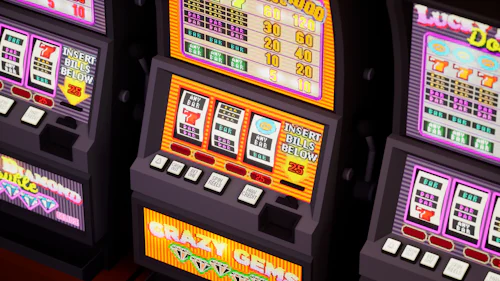
Additionally, the concept of framing effects is particularly relevant in casino environments. How information is presented can significantly influence a gambler’s perception of risk. For example, highlighting potential winnings might encourage riskier bets, while focusing on potential losses could lead to more conservative play. Casino operators often utilize these framing techniques to optimize gameplay and maximize profits, effectively steering individuals toward riskier behavior through strategic communication. Understanding these techniques can empower players to recognize when they are being influenced and to make more rational choices.
Ultimately, the intersection of behavioral economics and gambling illuminates the myriad factors that influence decision-making in high-risk environments. By understanding these dynamics, players can develop a more mindful approach to their gambling habits, fostering a greater sense of control over their risk-taking behaviors while mitigating potential negative consequences associated with gambling. This awareness is crucial for promoting healthier gambling practices and ensuring that players can enjoy their experiences without falling into detrimental patterns.
Understanding Casino Dynamics on Websites
As the landscape of gambling continues to shift with the rise of online platforms, understanding the dynamics of risk in these virtual environments becomes increasingly crucial. Online casinos replicate many elements of physical casinos, including gamification and immersive experiences that appeal to players’ psychological tendencies. The ease of access and anonymity provided by online platforms can exacerbate risk-taking behavior, as individuals may feel more emboldened to place bets without the immediate social accountability experienced in physical settings. This anonymity can lead to riskier decisions, as players might not feel the same consequences as they would in a live environment.
In this digital realm, players are often bombarded with promotional offers and bonuses that can skew their perception of risk and reward. The constant stream of advertisements and incentives can create a sense of urgency, pushing individuals to take risks in pursuit of perceived value. Understanding these dynamics is essential for responsible gambling practices, as players must navigate the intricate balance between excitement and the inherent risks that accompany online gambling. Players should remain vigilant and critically assess the promotions they encounter, ensuring they are making informed decisions.
The discussion around risk in casino environments is evolving, and players need to remain informed about the psychological and behavioral dynamics at play. Websites dedicated to gambling often provide resources that educate players about responsible gaming and the psychological aspects of risk. Emphasizing the importance of understanding one’s tendencies and motivations can foster a healthier relationship with gambling and encourage individuals to make informed decisions, ultimately enhancing their gaming experience while minimizing negative outcomes. This proactive approach can empower players to enjoy the thrill of gambling while maintaining control over their behaviors.
 RT
RT